



Off-topic stuff…
- Thread starter SpaceEVDriver
- Start date
-
 From all of us at Scout Motors, welcome to the Scout Community! We created this community to provide Scout vehicle owners, enthusiasts, and curiosity seekers with a place to engage in discussion, suggestions, stories, and connections. Supportive communities are sometimes hard to find, but we're determined to turn this into one.
Additionally, Scout Motors wants to hear your feedback and speak directly to the rabid community of owners as unique as America. We'll use the Scout Community to deliver news and information on events and launch updates directly to the group. Although the start of production is anticipated in 2026, many new developments and milestones will occur in the interim. We plan to share them with you on this site and look for your feedback and suggestions.
How will the Scout Community be run? Think of it this way: this place is your favorite local hangout. We want you to enjoy the atmosphere, talk to people who share similar interests, request and receive advice, and generally have an enjoyable time. The Scout Community should be a highlight of your day. We want you to tell stories, share photos, spread your knowledge, and tell us how Scout can deliver great products and experiences. Along the way, Scout Motors will share our journey to production with you.
Scout is all about respect. We respect our heritage. We respect the land and outdoors. We respect each other. Every person should feel safe, included, and welcomed in the Scout Community. Being kind and courteous to the other forum members is non-negotiable. Friendly debates are welcomed and often produce great outcomes, but we don't want things to get too rowdy. Please take a moment to consider what you post, especially if you think it may insult others. We'll do our best to encourage friendly discourse and to keep the discussions flowing.
So, welcome to the Scout Community! We encourage you to check back regularly as we plan to engage our members, share teasers, and participate in discussions. The world needs Scouts™. Let's get going.
We are Scout Motors.
You are using an out of date browser. It may not display this or other websites correctly.
You should upgrade or use an alternative browser.
You should upgrade or use an alternative browser.


It uses an acoustic field to compress gas and create temperature differences. I have a project that is probably going to use Stirling coolers but I found a paper about something similar that used thermoacoustic coolers instead and that seems interesting but I can’t find much else on them
It turns out that BYD developed one to use waste heat and the noise from their engines to provide refrigeration in their vehicles. But I don’t think it ever made it to production. Most thermoacoustic systems are still operating with a coefficient of performance below 1.0; air-source heat pumps with traditional refrigerants are operating with a range of 2.0 to 6.0 or even 7.0. In vehicles they’re typically around 4.0.
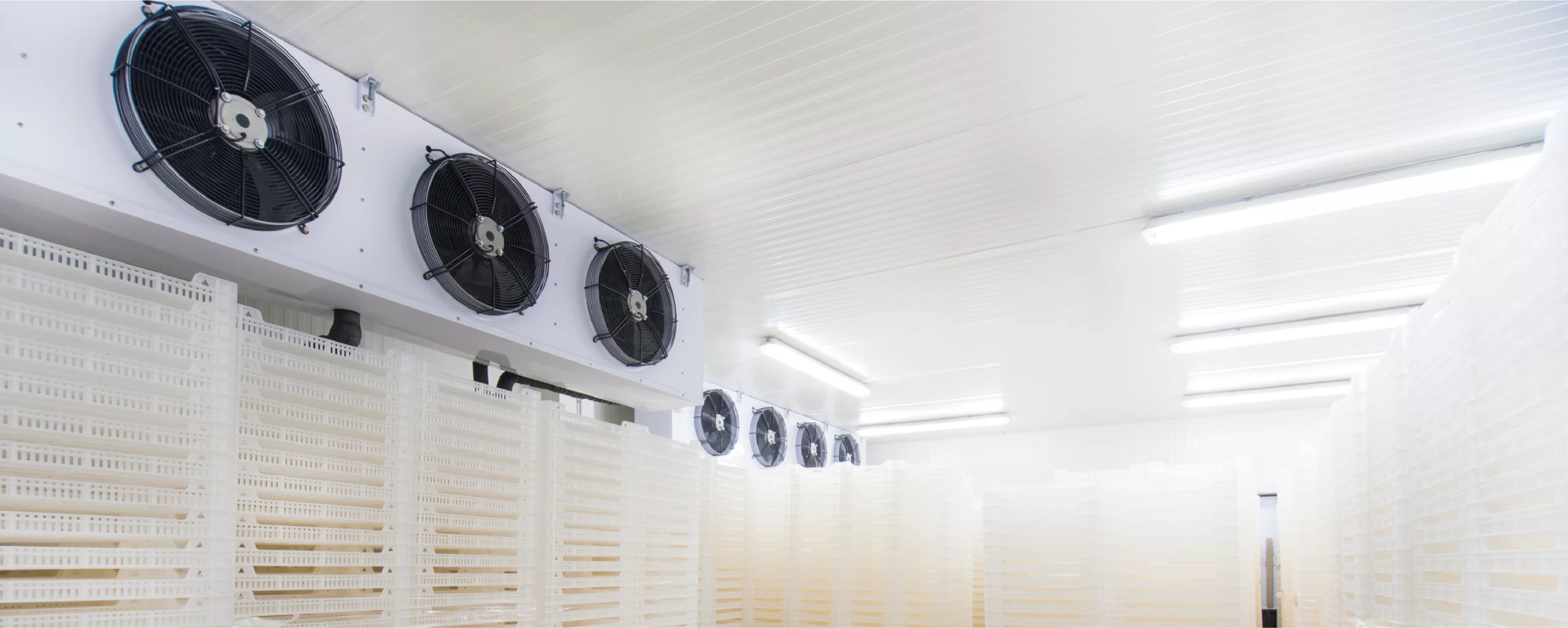
Thermo-Acoustic Refrigeration | stellarix
Explore the cutting-edge Thermo-Acoustic Refrigeration technology that offers energy-efficient and environmentally friendly refrigeration solutions.
 stellarix.com
Of course they did.It turns out that BYD developed one to use waste heat and the noise from their engines to provide refrigeration in their vehicles. But I don’t think it ever made it to production. Most thermoacoustic systems are still operating with a coefficient of performance below 1.0; air-source heat pumps with traditional refrigerants are operating with a range of 2.0 to 6.0 or even 7.0. In vehicles they’re typically around 4.0.
Thermo-Acoustic Refrigeration | stellarix
Explore the cutting-edge Thermo-Acoustic Refrigeration technology that offers energy-efficient and environmentally friendly refrigeration solutions.
And we are back upstairs. Back to tornado warning. Goodness. I hate when those sirens go off.



I lived 6 years in Ohio, and even did a summer camp in Bloomington one year. I know what you mean. Being woken up, and carried/herded downstairs into the basement. It’s not fun, but you do sort of get used to it.And we are back upstairs. Back to tornado warning. Goodness. I hate when those sirens go off.
We did have a tornado take the roof off the house next to us when I was about 5yrs old. They do make a sound.
I still have memories of my mom screaming at my dad “get away from the window!!!” (The basement ones that are at like head height).
I’ve also tried to describe to my wife/kids how the whole sky would turn green at times too. And before cell phones, we knew that was a time to start thinking about playing closer to home in case a tornado warning went off.
Stay safe!
Last edited:
That green color! Our basement is partially finished and has a bathroom so it’s not terrible to be down there.I lived 6 years in Ohio, and even did a summer camp in Bloomington one year. I interact what you mean. Being woken up, and carried/herded downstairs into the basement. It’s not fun, but you do sort of get used to it.
We did have a tornado take the roof off the house next to us when I was about 5yrs old. They do make a sound.
I still have memories of my mom screaming at my dad “get away from the window!!!” (The basement ones that are at like head height).
I’ve also tried to describe to my wife/kids how the whole sky would turn green at times too. And before cell phones, we knew that was a time to start thinking about placing closer to home in case a tornado warning went off.
Stay safe!
There was one west of us! One of the storm chasers just posed a picture.


thanks! These guys must have made theirs. It is just cooling a trap for VOCs out of ambient air samples. They said they preferred it to Stirling because of the vibration of the Stirling engine which I was a bit concerned about but I think I can place it so it won't bother the instrument. FIDs are fiddly about vibration sometimesThe thermoacoustic heat engine uses the Stirling cycle to achieve its cooling (or heating), so in most ways it’s similar to a Stirling engine.
We used one on the Space Shuttle Discovery as an experiment.

Electricity-free air con: Thermoacoustic device turns waste heat into cold using no additional power
Beginning with the principles of the Stirling engine, SoundEnergy's THEAC thermal acoustic engine takes heat – either industrial waste heat or solar heat – and turns it into powerful cooling without requiring any other power source. This completely renewable technology could prove highly disruptive.newatlas.com
A company that makes industrial-sized one is called SoundEnergy. But you won’t be using one for an experiment—they make 75-100 kW and 200-250 kW (with stacking up to MW) capacities.
SoundEnergy – Thermo acoustic cooling technology
www.soundenergy.nl

thanks! These guys must have made theirs. It is just cooling a trap for VOCs out of ambient air samples. They said they preferred it to Stirling because of the vibration of the Stirling engine which I was a bit concerned about but I think I can place it so it won't bother the instrument. FIDs are fiddly about vibration sometimes
Very neat! What’s the ultimate goal of your device?
I would imagine you’d get similar vibration from the acoustic device as well. But that would all depend on the experimental setup. Your Stirling will be far more efficient. And I suspect it’ll be easier to isolate the vibrations of the Stirling than to build a thermoacoustic device.

We used to live in a hollow, when bad weather kicked up we lost satellite and barely got radio, we had a landline with internet but it couldn’t keep up with the live weather streams. So we watched the sky for color changes.I lived 6 years in Ohio, and even did a summer camp in Bloomington one year. I interact what you mean. Being woken up, and carried/herded downstairs into the basement. It’s not fun, but you do sort of get used to it.
We did have a tornado take the roof off the house next to us when I was about 5yrs old. They do make a sound.
I still have memories of my mom screaming at my dad “get away from the window!!!” (The basement ones that are at like head height).
I’ve also tried to describe to my wife/kids how the whole sky would turn green at times too. And before cell phones, we knew that was a time to start thinking about placing closer to home in case a tornado warning went off.
Stay safe!
Probably 10 years ago or so when North Alabama was hit hard with tornadoes we home and the tornado “jumped” the hollow and went right over us, it was harsh winds and rain, briefly nothing, and back to rain and wind. The road leading to the road we lived on was closed for almost 16 hours with trees blown off the hill covering the lanes and downing powerlines
EPA method 25 uses dry ice to trap heavy hydrocarbons while the lighter ones go through into a tank. It is labor intensive sampling and laboratory work. The idea is to use the cooler to do a small automated trap that would let it be either a semi-continuous monitor or at least an onsite test instead of having to take the samples and then ship them back to the lab and then waiting a few more days for results.Very neat! What’s the ultimate goal of your device?
I would imagine you’d get similar vibration from the acoustic device as well. But that would all depend on the experimental setup. Your Stirling will be far more efficient. And I suspect it’ll be easier to isolate the vibrations of the Stirling than to build a thermoacoustic device.

Ah, okay!EPA method 25 uses dry ice to trap heavy hydrocarbons while the lighter ones go through into a tank. It is labor intensive sampling and laboratory work. The idea is to use the cooler to do a small automated trap that would let it be either a semi-continuous monitor or at least an onsite test instead of having to take the samples and then ship them back to the lab and then waiting a few more days for results.
So the goal is to run this in the field?
If it’s automated and in the field, then a thermoacoustic might work well with a solar concentrator since there’s so little energy requirement for thermoacoustic. But to get down to -78 C, you would need a fairly high-temperature hot side of the device and I think you’d need several stages to drop the temperature at each stage. I can’t remember the practical temperature drop in thermoacoustic, but I think it’s only a delta of around 20-30 C.
What a fun problem (when I’m not the one having to build it against a deadline)!
this method is usually used in factory stacks doing destruction efficiency testing of the control devices (inlet, outlet) so there will be power available. The trap will have to be cooled to -78C to catch and then heated to 250C to release the hydrocarbons for analysis. The FID has a column-catalyst set that separates the CO, CO2, and CH4 from all the other HCs and then converts everything to CH4 before it gets to the FID so that there's no issue with differing response factors. It basically just counts carbons for mass emissions. Very useful when you don't know what all might be going in or coming out of the stack.Ah, okay!
So the goal is to run this in the field?
If it’s automated and in the field, then a thermoacoustic might work well with a solar concentrator since there’s so little energy requirement for thermoacoustic. But to get down to -78 C, you would need a fairly high-temperature hot side of the device or you’d need several stages to drop the temperature at each stage. I can’t remember the practical temperature drop in thermoacoustic, but I think it’s only a delta of around 20-30 C.
What a fun problem (when I’m not the one having to build it against a deadline)!
I'm hopeful we will actually get to do it - working up costs and writing the proposal and fingers crossed. Research isn't a huge priority right now unfortunately but this is a method that is used a lot in regulations but doesn't have a lot of labs doing it anymore so maybe it will make it through
this method is usually used in factory stacks doing destruction efficiency testing of the control devices (inlet, outlet) so there will be power available. The trap will have to be cooled to -78C to catch and then heated to 250C to release the hydrocarbons for analysis. The FID has a column-catalyst set that separates the CO, CO2, and CH4 from all the other HCs and then converts everything to CH4 before it gets to the FID so that there's no issue with differing response factors. It basically just counts carbons for mass emissions. Very useful when you don't know what all might be going in or coming out of the stack.
I'm hopeful we will actually get to do it - working up costs and writing the proposal and fingers crossed. Research isn't a huge priority right now unfortunately but this is a method that is used a lot in regulations but doesn't have a lot of labs doing it anymore so maybe it will make it through
I know exactly where you are with fighting against the anti-research sentiments right now…
It sounds like you’re putting together a cool proposal! Best of luck to you and the proposal team!
I’ve run a large number of instrument development proposal review panels (for NASA, not EPA or NSF). I’ve probably reviewed around a thousand instrument proposals in my career. If you are ever interested in an independent, external review, let me know. I know those are difficult to schedule given deadlines and all.
One of the people who will be involved in the decision making asked us why some methods use inches of water as units and wanted us to consider changing them all to PSI to make it easier. Same person also asked me "what is NIST?" So this may be an interesting processI know exactly where you are with fighting against the anti-research sentiments right now…
It sounds like you’re putting together a cool proposal! Best of luck to you and the proposal team!
I’ve run a large number of instrument development proposal review panels (for NASA, not EPA or NSF). I’ve probably reviewed around a thousand instrument proposals in my career. If you are ever interested in an independent, external review, let me know. I know those are difficult to schedule given deadlines and all.


So the storm chaser that came to town. This is what they chase storms in. 

pretty cool!

Yup-and I imagine it flies around in the tornado the same as an F-150

My youngest’s birthday was today.
We were wiped out after it was over so I took a nap.
Apparently I slept through a few Tornado warnings

We were wiped out after it was over so I took a nap.
Apparently I slept through a few Tornado warnings
April 22 is earth day, a good day to show off EVs, but! In a lot of media earth is often referred to as Terra, making the 22nd Terra day  scout is now required to show something awesome of the Terra. You’re welcome! It’s also my birthday and the only reason I had this shower thought
scout is now required to show something awesome of the Terra. You’re welcome! It’s also my birthday and the only reason I had this shower thoughtSimilar threads

- Replies
- 32
- Views
- 3K

- Replies
- 42
- Views
- 2K


- Replies
- 21
- Views
- 566


- Replies
- 192
- Views
- 12K


- Replies
- 27
- Views
- 2K