



Yes. Being replaced with EREV.Hold on to your engineers , Scout Motors. https://apple.news/AKJKfsa0kTUOua-kagyTkyQ

Yes. Being replaced with EREV.Hold on to your engineers , Scout Motors. https://apple.news/AKJKfsa0kTUOua-kagyTkyQ


The F150 Lightning was neither a good EV or a good truck.Hold on to your engineers , Scout Motors. https://apple.news/AKJKfsa0kTUOua-kagyTkyQ
EREV isn't new tech. I don't think Scout has to worry. The Chinese market Bronco will be offered as an EREV.Hold on to your engineers , Scout Motors. https://apple.news/AKJKfsa0kTUOua-kagyTkyQ


It’s a shame they jumped on the kill EV train. Welcome BYDOur 2022 Mustang Mach-E was my first Ford in 40-something years. Looks like our 2023 Lightning will be our last Ford. We have zero interest in a fossil fuel vehicle.

There are 18 EREV vehicles coming in the next few years that we know about, the majority are not US made. Lets hope the appetite for these are as good as the market forecasters think.Ford as a whole in Today ages with CEO Jim Farley, is the definition of incompetence. Back when they were making the dent sides and all the cool cars was when they knew what they were doing. But now it seems they can’t become stable, they are constantly ending productions, adding new packages, removing packages, recalls, can’t seem to make an EV. Which I can remember people saying that legacy automakers were gonna fail, but it seems most of them have figured it out. But the startups still have an edge above the rest.
But now they are just so out of touch. But them going to EREV is understandable, consider that it seems to be a technology that a lot of people are interested in testing out. And that the market wants them.

This is a fairly pessimistic perspective in my view. The reality is that most EV batteries made today will see very little degradation and outlast the vehicle in many cases. I would also point to current EV battery pack warranties that are in place for consumer protection. Now consider advancements with BMS systems, battery modularity, 800V architecture, etc. (and add the potential for solid state in the future). Charging times have come way down, and the only time charging really has any impact on drive-time is on a longer road trip. Software and infrastructure improvements have also made charging DEAD SIMPLE in the most places.BEVs simply aren't at a place yet where they can make the automakers a buck. The markets have spoken. The reason is the Government Thumb on the scales propped up prices in the face of the massive investment in production that is required to get them into the market, and they needed those subsidies for likely two or more decades for the return on that investment to be realized. It isn't as simple as swapping in a battery and electric motors in place of a gas tank and an ICE engine. So...when $10,000 in state and federal subsidies begin to erode or get yanked out from under automakers, the market speaks. Farley straight up said that they can't sell the Lightning at a competitive price vs ICE trucks and make money. The subsidies helped, a little...but not enough. Truck customers are tough customers, and economy car buyers don't have access to convenient charging at their homes or places of work, yet.
When BEVs are on par with ICE in terms of charging time and range in all conditions including desert heat and northern-tier cold, as well as cost to build and consumer pricing...then we will see BEVs take and hold market share. They are already lower in operating cost over the typical duration of vehicle ownership, but they do have a practical lifetime due to natural battery degradation that can't be mitigated with diligent maintenance, which impacts their utility in the used markets.
That future is likely 10+ years away. Even Europe is backing off their EV mandates. Porsche is going back to ICE for their Boxster/Cayman as well.
BEVs will remain the "town car" choice of people who can afford them in spite of their currently poor economics - hopefully the profit margins on those that are sold are enough to keep R&D flowing, otherwise it will be up to universities and corporate venture capital to fund that development.
Not sure what you define as “truck” but it’s literally the f150 “truck.”The F150 Lightning was neither a good EV or a good truck.
I’ll be curious to see what the EREV does.


 electrek.co
This is a fairly pessimistic perspective in my view. The reality is that most EV batteries made today will see very little degradation and outlast the vehicle in many cases. I would also point to current EV battery pack warranties that are in place for consumer protection. Now consider advancements with BMS systems, battery modularity, 800V architecture, etc. (and add the potential for solid state in the future). Charging times have come way down, and the only time charging really has any impact on drive-time is on a longer road trip. Software and infrastructure improvements have also made charging DEAD SIMPLE in the most places.
Now factor in normal driving conditions and the ability to charge at home. The convenience, time savings, reduced maintenance, and never needing to stop for gas - these add-up significantly. Many people don't realize the trade-offs or just believe all the FUD that's been thrown at the industry from the O&G lobby. If you own an EV, you realize a lot of this crap is just a giant pile of horse shite designed to create FEAR.
Were we about to cross a chasm (prior to the current administrations irresponsible agenda to unwind years of forward progress just to line the pocket's of the O&G Lobby based on campaign contributions)? We have seen little regard for the environment, federal lands, clean air or water. Its all quite counterintuitive if you are at all concerned about the future of this country for your children, or if you are truly interested in the outdoors and the environment.
...So YES, the chasm still needs crossing, but it is only a matter of time until we see the early and late majority move past obsolete technology. View attachment 12132
Don't forget the other side of things. While engines in recent years can go hundreds of thousands of miles with basic maintenance, that era seems to have ended with all of the downsizing, forced induction, zero-weight oils, etc. When even Toyota has failing engines left and right, you'll see more getting into EVs as a result.
The average vehicle in my driveway is 23 years old, so I'm still skeptical of battery longevity. I know each of those vehicles can reliably go another 200k miles with basic service (and likely a clutch), so I struggle with EV reliability in that regard, especially when I constantly have laptop, cell phone and power tool batteries crapping out on me, despite following recommended charging practices on them (well, not the power tool batteries).
I just need to remember to use the generator often enough and not rely solely on electric for daily driving duties. There's nothing worse for an engine than sitting unused.Think this is my overall biggest concern with EREV in general. I will now have to worry about potential longevity not on just batteries, but also on the generator motor.
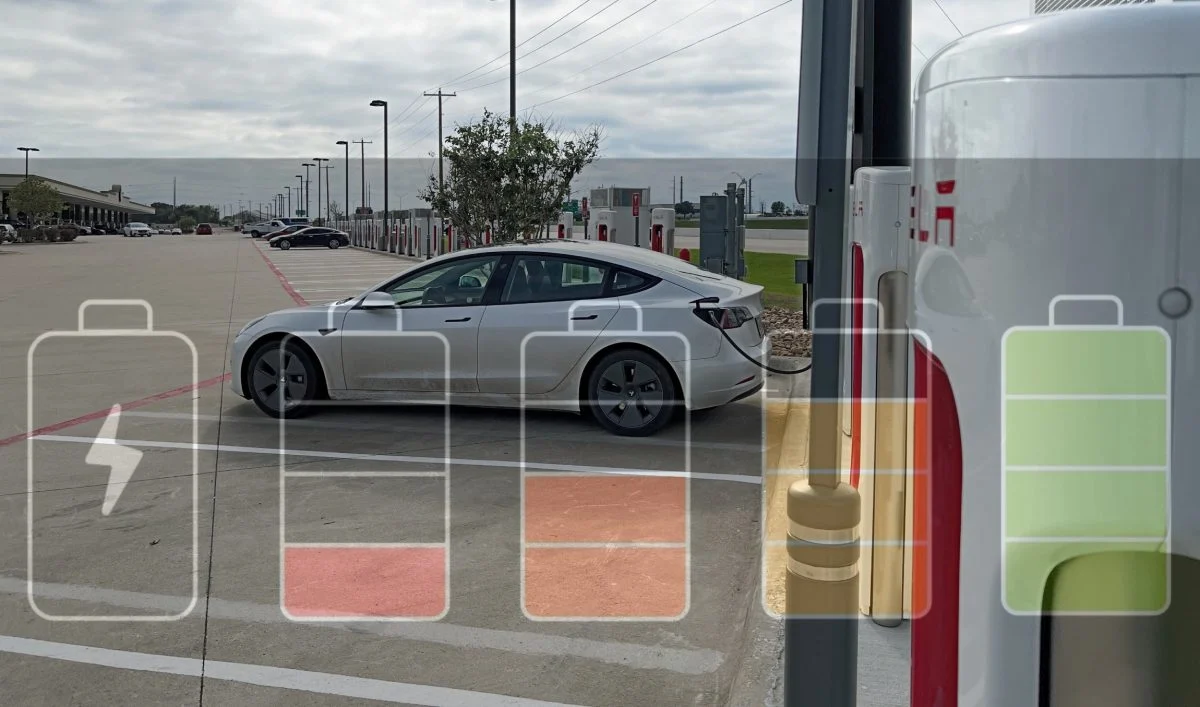
This should ease your concerns somewhat about EV batteries.Think this is my overall biggest concern with EREV in general. I will now have to worry about potential longevity not on just batteries, but also on the generator motor.
I suspect like the Wrangler 4xe it will get to a point where it will make you use it.I just need to remember to use the generator often enough and not rely solely on electric for daily driving duties. There's nothing worse for an engine than sitting unused.