




I've been talking with the guy that created a generator system (Everdrive) for the Ford Lightning. It involves running a cable across through the bottom of the carriage that attaches to the front charging area. This allows you to run a charger through the bed of the truck. It's all plug and play, there's no modifying or drilling required. This got me thinking about Scouts offering which I doubt that this will be taken seriously but I wish more thought would be put into it by thinking ahead. (innovation)
1. Do the same thing with the charging receptacle. If I loaded a generator in the bed or tow hitch like shown in the video, I could charge while driving and extend my range. This is especially important if there are emergencies and you can't charge. There are tons of reasons to do this. One is the vehicle will never get the rated range. Two, people who don't want the compromises of the built in generator. It's modular system and obviously you can remove the generator for that special use case or emergency scenario.
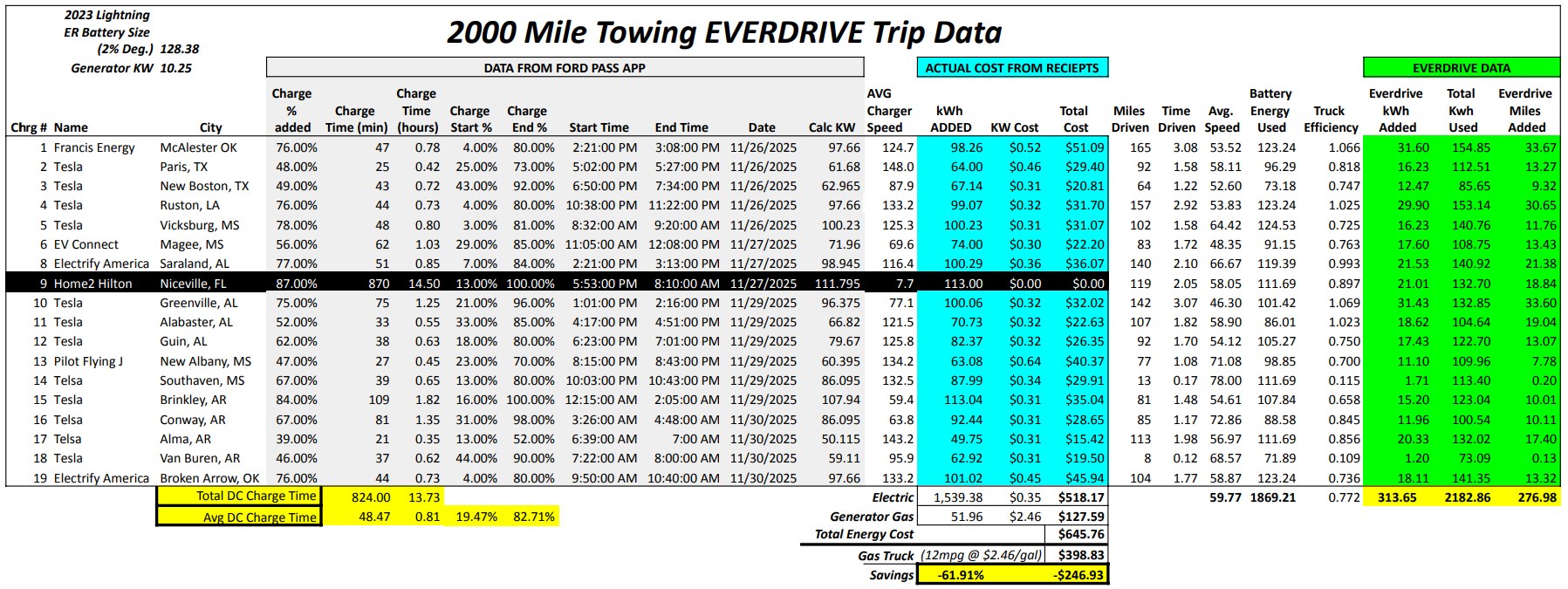
Showing how to easily integrate into a Ford lightning. (vehicle that wasn't designed to be an extended range)
2. Built in Solar connections to inverter. We need direct access to the inverter. Solar panels don't have to be limited to the bed or top. I imagine a connection that is seamlessly built into the frame involving connections but if anything put some MC4 inputs in the bed at the minium. Places to integrate solar would be hood, top and bed. This type of system would allow 5-10 miles+ a day and provide power to the vehicle or tools onsite without dipping into range. If you got stuck out in the middle of nowhere with no grid. You may become a hunter gatherer but you could in the end make it out. Lastly, Scout is marketed as offgrid and outdoor... Don't miss being a leader (not a follower).
(this is just showing that you can build a hood with more solar)
(Claims 10 miles a day)
https://www.worksport.com/products/solis (600 Watts in the bed)
https://www.youtube.com/shorts/QH2pyI0Q-Rk
https://www.youtube.com/watch?v=h-u0Z2zmiHs
 www.youtube.com
1. Do the same thing with the charging receptacle. If I loaded a generator in the bed or tow hitch like shown in the video, I could charge while driving and extend my range. This is especially important if there are emergencies and you can't charge. There are tons of reasons to do this. One is the vehicle will never get the rated range. Two, people who don't want the compromises of the built in generator. It's modular system and obviously you can remove the generator for that special use case or emergency scenario.
Showing how to easily integrate into a Ford lightning. (vehicle that wasn't designed to be an extended range)
2. Built in Solar connections to inverter. We need direct access to the inverter. Solar panels don't have to be limited to the bed or top. I imagine a connection that is seamlessly built into the frame involving connections but if anything put some MC4 inputs in the bed at the minium. Places to integrate solar would be hood, top and bed. This type of system would allow 5-10 miles+ a day and provide power to the vehicle or tools onsite without dipping into range. If you got stuck out in the middle of nowhere with no grid. You may become a hunter gatherer but you could in the end make it out. Lastly, Scout is marketed as offgrid and outdoor... Don't miss being a leader (not a follower).
https://www.worksport.com/products/solis (600 Watts in the bed)
https://www.youtube.com/watch?v=h-u0Z2zmiHs
- YouTube
Enjoy the videos and music you love, upload original content, and share it all with friends, family, and the world on YouTube.
www.youtube.com
Last edited:

Upvote
1







 ) but I think the way dcfc chargers work is the car tells the charger what voltage it needs and the charger manages adjusting the voltage so it can directly charge the battery. But you’re right, there is electronics to manage AC or whatever comes from regen braking to use it to charge the battery to some limited amount of power. That’s why some cars aren’t able to make full use of higher power L2 systems, their on-board chargers may be limited. Dunno what the limit would be on the low end, ie would the amount coming from onboard solar be enough to overcome whatever overhead and still have power left to store.


